
A liquid handler with contamination prevention features reduces contamination risk by limiting unnecessary sample handling and supporting consistent liquid transfers throughout molecular workflows. Even minor contamination affects sample integrity, result accuracy, and reproducibility, increasing repeat work. Laboratories handling sensitive samples benefit from building contamination control into the workflow from the start.
Why Contamination Control Matters in Liquid Handling
Liquid handling increases the risk of contamination because every liquid transfer introduces another interaction between samples, reagents, or laboratory consumables. Controlling those interactions improves workflow consistency and reduces unnecessary sources of variability.
Research laboratories transfer small liquid volumes between tubes, plates, and reagent reservoirs throughout a protocol. Every aspiration and dispensing step creates another opportunity for contamination. Unwanted biological material, airborne particles, or carryover between samples may influence downstream analysis long before contamination becomes visible.
Workflows containing multiple transfer steps naturally increase the number of interactions between samples and consumables. Processing larger batches, particularly during high-throughput workflows, introduces additional opportunities for contamination unless each transfer follows the same controlled procedure.
Common contamination sources include:
- Airborne aerosols generated during pipetting
- Contact with laboratory surfaces or gloves
- Used pipette tips and carryover between samples
- Incorrect deck setup
- Manual handling throughout the protocol
Contaminated liquid handling is rarely obvious while a protocol is running. Low-level contamination may only become apparent during amplification, sequencing, or data analysis, making prevention more effective than investigating the results after a run is complete.
The Risks Of Contaminated Liquid Handling
Contaminated liquid handling reduces confidence in laboratory results. Even low-level contamination increases repeat work and consumes valuable laboratory resources.
Unexpected contamination can introduce false-positive signals, reduce assay consistency, and compromise research samples. Laboratories may need to repeat protocols or investigate unexpected data before continuing a project.
Contaminated liquid handling becomes particularly problematic during real-time PCR, NGS library preparation, NGS normalization and pooling, and bead clean-up because each workflow depends on accurate liquid transfers across multiple protocol stages. Unwanted contamination introduces variability that influences downstream analysis or requires additional quality checks before a project progresses.
Laboratory efficiency also declines when contamination interrupts sample preparation. Repeat testing occupies instrument time and increases reagent consumption. It also delays project completion. Preventing contamination during sample preparation is critical.
Why Labs Need To Avoid Contamination In Pipetting
Pipetting is one of the highest-risk stages in sample preparation because every transfer creates another opportunity for contamination. Laboratories that avoid contamination in pipetting improve consistency across repeated workflows while protecting valuable samples.
Manual pipetting relies on consistent operator technique throughout every protocol. Fatigue during repetitive tasks or inconsistent handling introduces unnecessary variability between samples. Accidental contact with tubes, plates, or reagents also increases the chance of contamination.
There are some other possibilities for contamination. Splashing during aspiration or dispensing creates aerosols that move beyond the intended transfer area. Improper tip handling increases the likelihood of carryover between samples, particularly during multi-step workflows.
Laboratories that avoid contamination in pipetting focus on workflow design as well as operator technique. Standardized protocols, controlled sample handling, and reduced interaction with consumables lower contamination opportunities before downstream analysis begins.
Choosing a liquid handler with contamination prevention standardizes liquid transfers across repeat protocols.
How Automated Liquid Handling Supports Cleaner Workflows
Automated liquid handling improves consistency by reducing unnecessary manual interaction and performing repeatable liquid transfers with predefined protocols.
Every automated transfer follows the same programmed movement. Liquid volumes remain consistent from run to run because the instrument controls aspiration, dispensing, and positioning rather than individual technique.
Saved protocols perform the same pipetting steps every time. Fewer manual interactions reduce opportunities for accidental contact with samples or consumables throughout the workflow.
Automation strengthens contamination control without replacing good laboratory practice. Routine instrument maintenance, correct consumable selection, and established cleaning procedures remain essential parts of every workflow.
The automated Myra liquid handler reduces unnecessary operator interaction and performs repeatable liquid transfers across repeat workflows. Laboratories processing larger sample numbers also benefit from high-throughput liquid handling because standardized protocols improve reproducibility across larger batches.
Key Features To Look For In A Liquid Handler With Contamination Prevention Features
Not every automated system provides the same level of contamination control. Comparing specific features gives laboratories a clearer understanding of how a liquid handler with contamination prevention features supports cleaner sample preparation.
Several engineering controls reduce contamination opportunities throughout a workflow:
- HEPA filtration to manage airborne particles inside the instrument
- UV decontamination between workflows
- Enclosed waste handling for used pipette tips
- Accurate, repeatable pipetting
- Controlled deck setup
- Reduced manual intervention throughout sample preparation
Together they strengthen workflow consistency without relying solely on operator technique.
When comparing instruments, a liquid handler with contamination prevention features should be evaluated based on how those features work together throughout an entire protocol, rather than considering each feature independently.
Contamination Control in Automated Liquid Handling
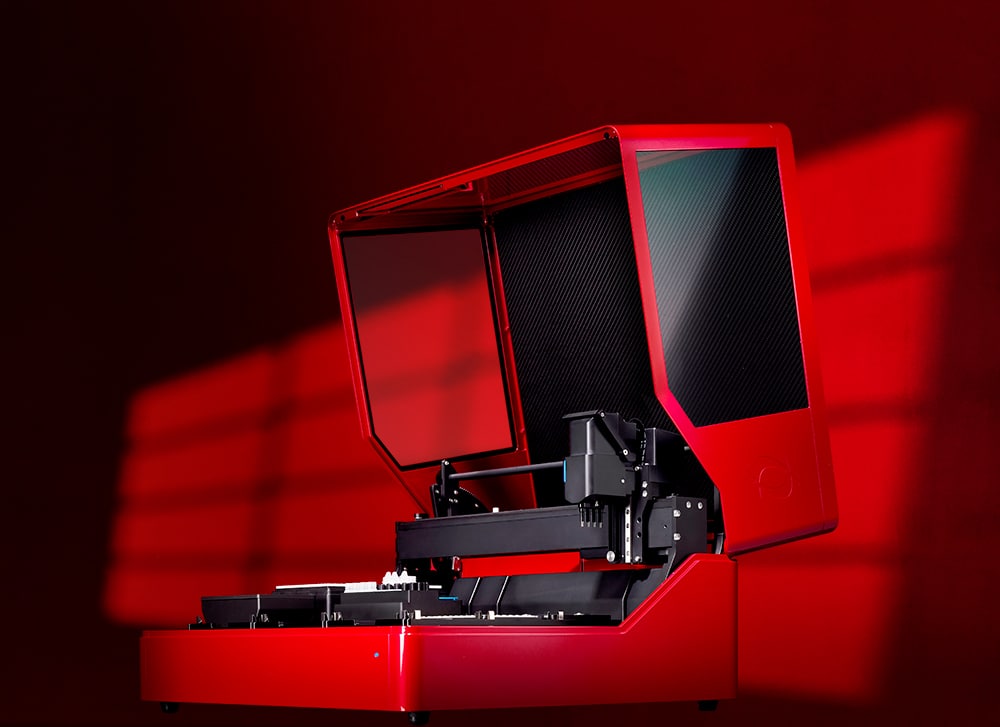
Myra by Bio Molecular Systems is a compact automated liquid handling system that incorporates contamination control measures as standard. Laboratories evaluating a liquid handler with contamination prevention features benefit from integrated air filtration, UV decontamination, and enclosed waste handling within a single platform.
Myra includes a standard HEPA filtration system rated at 99.98% efficiency at 0.3 µm. The filter manages airborne particles inside the instrument during operation, reducing airborne contamination within the instrument workspace.
A 70 mW, 280 nm UV LED provides instrument decontamination between protocols. Running the UV cycle before a new workflow reduces residual biological material inside the working area before the next samples are introduced.
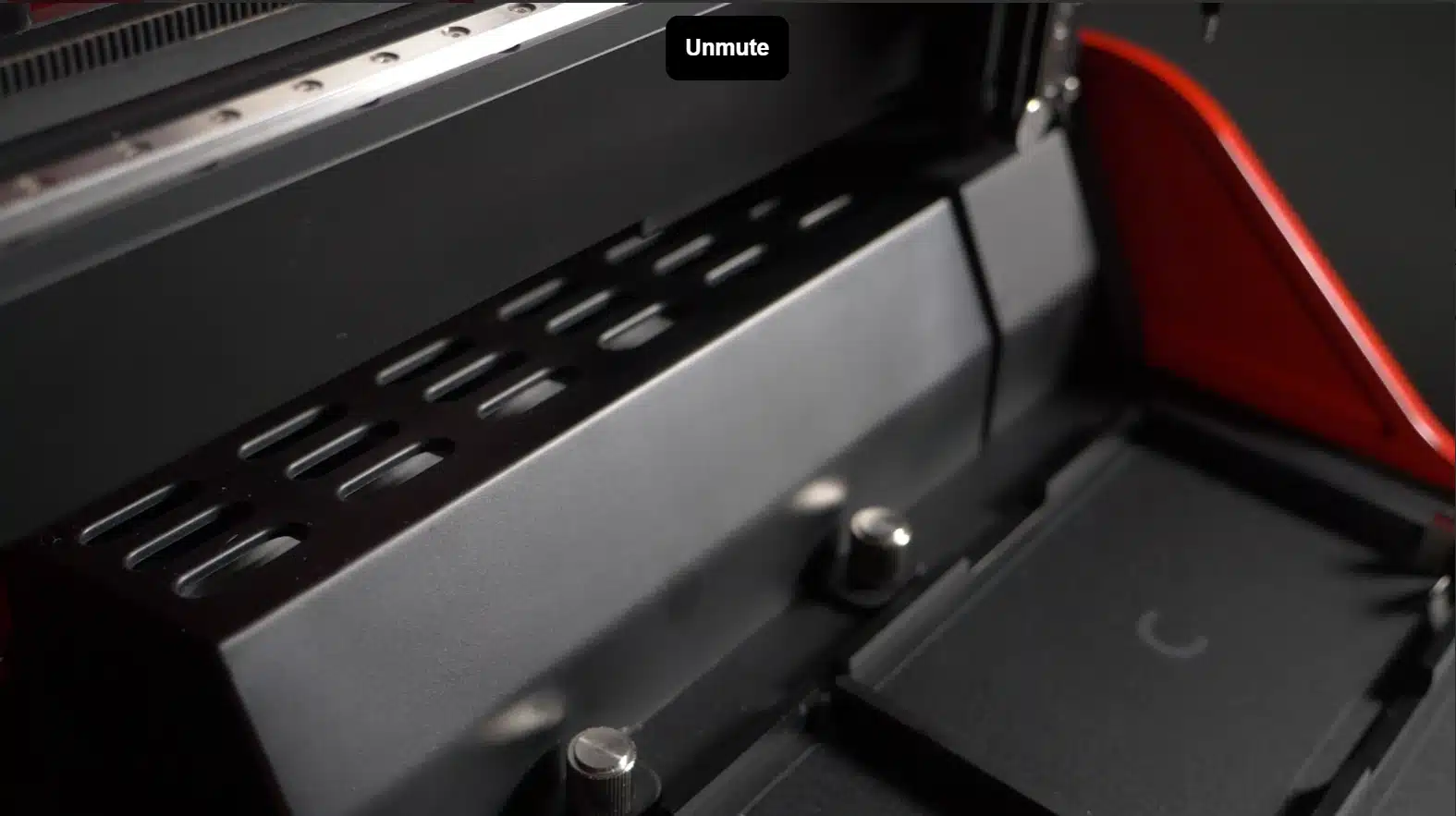
Used pipette tips are collected inside an enclosed internal waste container immediately after dispensing. Keeping waste contained inside the instrument reduces unnecessary operator interaction following liquid transfers.
The instrument’s compact footprint provides additional flexibility for laboratories with stricter contamination requirements. Myra fits inside many biosafety cabinets and laminar flow hoods, adding another layer of contamination control where workflow requirements demand it. The system also fits inside anaerobic chambers used for specialized research applications.
See Myra‘s HEPA filtration and UV decontamination specifications in full.
Supporting Reproducibility Across Sensitive Applications
Reproducibility depends on consistent liquid handling from the first transfer to the final protocol step. Cleaner workflows reduce unnecessary variability and improve confidence when experiments are repeated across different operators and instruments.
Applications such as qPCR, NGS library preparation, bead cleanup, normalization, and pooling rely on accurate liquid transfers throughout the entire sample preparation process. Small inconsistencies introduced during pipetting influence downstream analysis, particularly when workflows involve multiple transfer steps or large numbers of samples.
Myra combines precise automated pipetting with integrated contamination control measures to support reproducible molecular workflows. Its compact design also gives laboratories greater flexibility when bench space is limited or additional contamination control is required.
Explore Myra’s applications to see how the platform supports molecular biology workflows. BMS also supplies a compact liquid handling system.
Building Contamination Control Into Liquid Handling Workflows
Selecting a liquid handling system involves more than comparing pipetting specifications. Built-in contamination prevention measures influence workflow consistency, sample integrity, and laboratory efficiency throughout routine operation.
For modern research facilities, a liquid handler with contamination prevention features, like Myra, is a practical option. Rather than treating HEPA filtration, UV decontamination, and enclosed tip disposal as independent components, Myra combines accurate liquid transfers with practical engineering controls, reducing contamination at every stage.
Laboratories that avoid contamination in pipetting strengthen reproducibility before samples reach downstream analysis. Reducing manual interaction throughout the workflow also lowers opportunities for contaminated liquid handling, particularly during repetitive or high-throughput protocols.
Explore Myra’s applications across qPCR, NGS library preparation and other molecular workflows. For more information, submit an enquiry or request a demo.