
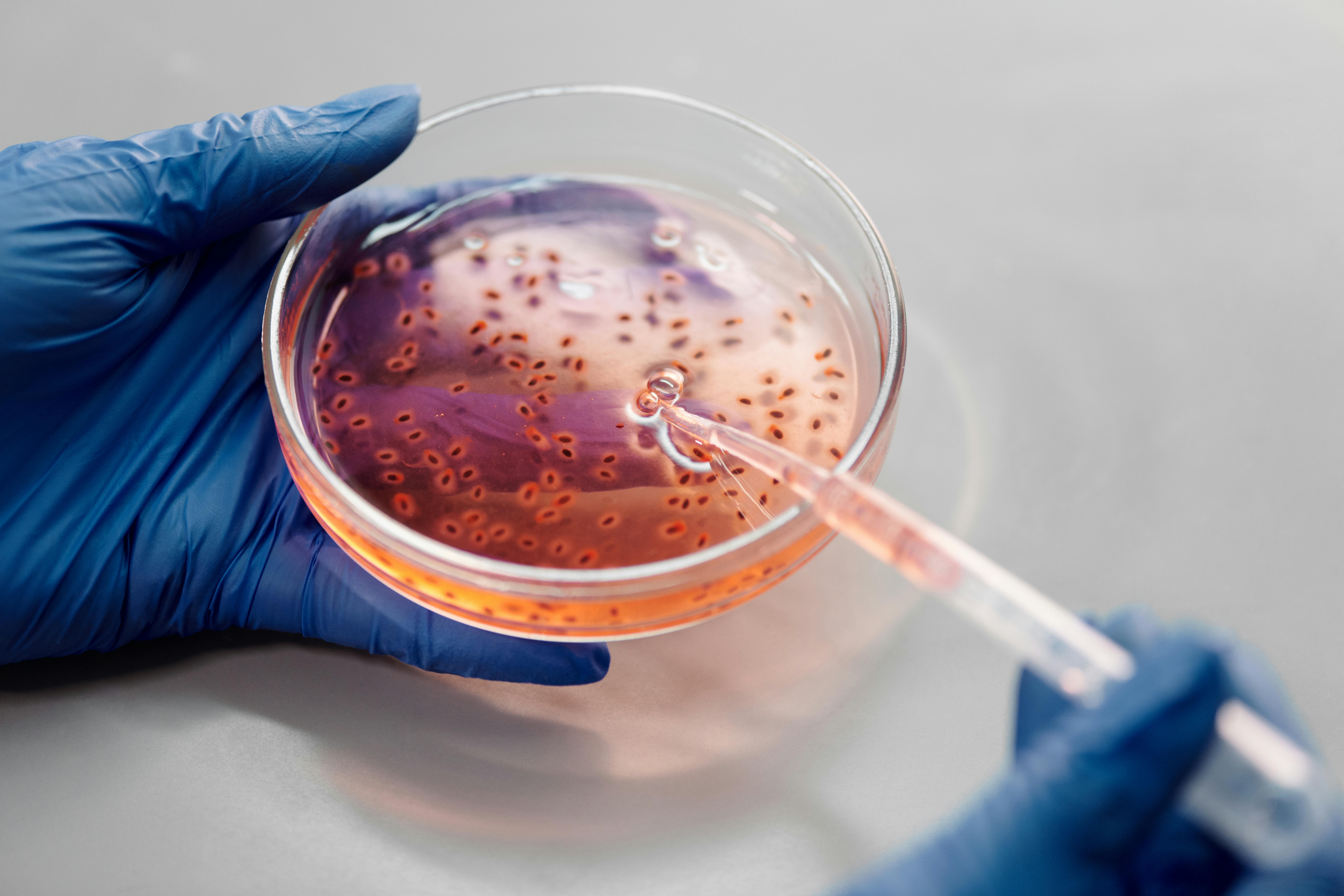
Liquid handling is one of the most repeated tasks in molecular laboratories, supporting everything from sample preparation to assay setup across research, clinical, and diagnostic environments.
As workflows become more detailed, manual handling can introduce variability through repetition and extended runs, making consistent execution harder to maintain across users and laboratories.
Automation is often the practical response when these pressures start to add up. For many laboratories, automated liquid handling is the most accessible place to begin, mainly because it can be introduced without reworking existing workflows. Speed is usually the first thing people notice. Over time, the real value tends to come from reliability, repeatability and the ability to scale routine work without compromising data quality.
These outcomes are at the core of the benefits of automated liquid handling, particularly where they support accuracy, reproducibility, and stable laboratory operations.
Want to learn more about the benefits of lab automation? Read What is Laboratory Automation.
Why Laboratories Are Moving Toward Automation
Sample volumes continue to increase across many laboratories, often without additional staff or space. At the same time, molecular and analytical workflows are becoming more complex, leaving much less room for variation between runs or operators.
Automation offers a way to make these processes more predictable. By standardizing how key steps are performed, laboratories can improve repeatability and maintain control as workload and complexity increase.
Key Benefits of Automated Liquid Handling
Automated liquid handling is often adopted to improve efficiency and consistency across routine laboratory tasks. Time and cost savings are usually noticed first. But over time, the practical value tends to show up in improved repeatability and better control over critical workflow steps.
The sections below outline the core reasons laboratories choose to automate liquid handling and where the benefits of lab automation are most clearly realized in day-to-day work.
Improved Consistency Across Repetitive Tasks
Manual pipetting depends heavily on individual technique. Even among experienced staff, small differences can emerge over time, particularly during repetitive tasks or extended runs.
Automated systems execute the same movements and dispense the same volumes repeatedly. This reduces dependence on individual experience and supports consistent workflow execution across users and shifts, which is one of the clearest benefits of automated liquid handling.
Reduced Hands-On Time for Laboratory Staff
Automation takes over time-intensive pipetting steps that would otherwise occupy a large part of the working day. Routine dispensing, aliquoting, and normalization can be handled by a liquid handler once protocols are established.
This frees skilled staff to focus on analysis, method development, and oversight. In practice, it also supports better allocation of laboratory resources, reinforcing both the benefits of automated liquid handling and the wider benefits of lab automation.
Support for Higher Throughput Without Workflow Disruption
Automated liquid handling enables parallel processing of samples, making it easier to increase throughput without restructuring workflows or staffing models.
By using automated liquid handling systems, laboratories can scale sample processing while keeping protocols stable and performance predictable.
Related Article: High Throughput Liquid Handling & Pipetting
Broader Benefits of Lab Automation Beyond Liquid Handling
While liquid handling is often the entry point, laboratories typically experience broader operational improvements once automation is introduced.
Greater Workflow Standardisation
Automation encourages workflows to be clearly defined and repeatable. Methods are easier to document, validate, and train against, reducing variation between operators.
This level of standardization is one of the more practical benefits of lab automation, particularly in regulated environments or multi-site laboratories.
Reduced Risk of Laboratory Errors
Manual handling increases the risk of missed steps, incorrect volumes, or sample mix-ups, especially during repetitive protocols. Automated processes reduce reliance on manual tracking and memory.
By removing error-prone steps, laboratories can improve confidence in their results, another key aspect of the benefits of lab automation.
Related Article: How to Reduce Laboratory Errors
More Predictable Laboratory Operations
Automation supports more predictable turnaround times and throughput, which makes it easier to plan staff time and instrument use. This operational stability is a subtle but important part of the benefits of lab automation.
Where Automated Liquid Handling Fits Within Laboratory Workflows
Supporting Core Tasks Across Workflows
Liquid handling automation supports sample preparation, normalization, pooling, and reagent handling. These tasks appear across many workflows, including NGS and other molecular applications.
Because these steps are widely shared, the benefits of automated liquid handling are often realized across multiple workflows rather than a single assay.
Enabling Incremental Adoption of Lab Automation
Most laboratories do not automate everything at once. In practice, automation usually starts with a single step that is repetitive, time-consuming or prone to variation.
This gradual approach supports a controlled transition. Teams can see the benefits of lab automation on workflow and data quality before expanding further, without adding unnecessary complexity upfront.
Using Myra to Enable Automated Liquid Handling
Myra is an automated liquid handling platform designed and built by Bio Molecular Systems in Australia. It was developed for laboratories that want to automate routine liquid handling while keeping workflows familiar and under control.
A Compact Liquid Handler Designed for Laboratory Workflows
Myra functions as a compact liquid handler that integrates easily into existing laboratory environments. Its benchtop footprint supports precision work without requiring dedicated automation space.
For laboratories with limited space or field-based requirements, Myra can also operate as a portable liquid handler.
Supporting Automation Across a Range of Applications
Myra supports a range of workflows, from routine liquid handling to more complex molecular applications. As part of a broader suite of automated liquid handling systems, it integrates with established protocols and evolving laboratory needs.
A Practical Step Towards Broader Lab Automation
In many laboratories, Myra is introduced to automate specific steps rather than entire workflows. That targeted use delivers immediate efficiency gains where they are most needed.
Over time, those gains often inform broader automation decisions, based on real workflow experience rather than assumptions.
When to Consider Automating Liquid Handling in Your Lab
Automation is typically considered when manual liquid handling starts to place pressure on day-to-day workflows. Increasing repetition, higher sample volumes or longer protocols can make consistency and turnaround times harder to maintain.
Other indicators include employees spending a significant amount of time on routine pipetting, higher variability between operators, or limited potential to scale current processes. Nevertheless, the decision to automate is most effective when it is driven by specific workflow constraints rather than technology alone.
Book a Demo to See How Myra Can Support Lab Automation
The best way to grasp how automation can be integrated into your laboratory is to observe it in action. This helps the team to assess the workflow, usability, and performance under realistic conditions.
To learn more, submit an enquiry or book a demo and see how Myra can support your lab automation goals.